Barcode Posts
Wash And Exclusive | Transfixed Romi Rain Ariel Demure

The chronicle closes on a streetlamp humming to itself, some chalk letters on a bench that read “Return if you must,” and the sound of water folding into itself. Romi’s town lives in the small decisions people make to notice and to keep noticing. That is its exclusivity: an ordinary life made luminous by attention.
The town sat in an afterimage between tides of light — a place where alleys remembered footsteps and the sea kept its own counsel. Romi arrived one dusk with a suitcase that smelled faintly of lemon and old paper, eyes set like a question mark aimed at the horizon. She had come for reasons that fit neither business nor romance: to be moved.
Demure Wash delivered its lessons too. Romi learned to watch how water gathered at the lip of a stone and then let go; to notice how a boatman checked knots not with urgency but with a ritual calm. She began to catalog the town’s exclusives: a pastry shop that made a single cinnamon roll each morning to be claimed only by whoever arrived with yesterday’s story; a bench where lovers left messages in coded chalk; an alley where a barber cut hair by conversation rather than by mirror.
Romi left weeks later — not abruptly, but like a tide that has completed its slow withdrawal. She carried her exclusive notebook, a tart-stained map of Demure Wash in her head, and a new habit: when rain begins, she will call it Ariel, and she will listen.
The chronicle closes on a streetlamp humming to itself, some chalk letters on a bench that read “Return if you must,” and the sound of water folding into itself. Romi’s town lives in the small decisions people make to notice and to keep noticing. That is its exclusivity: an ordinary life made luminous by attention.
The town sat in an afterimage between tides of light — a place where alleys remembered footsteps and the sea kept its own counsel. Romi arrived one dusk with a suitcase that smelled faintly of lemon and old paper, eyes set like a question mark aimed at the horizon. She had come for reasons that fit neither business nor romance: to be moved. transfixed romi rain ariel demure wash and exclusive
Demure Wash delivered its lessons too. Romi learned to watch how water gathered at the lip of a stone and then let go; to notice how a boatman checked knots not with urgency but with a ritual calm. She began to catalog the town’s exclusives: a pastry shop that made a single cinnamon roll each morning to be claimed only by whoever arrived with yesterday’s story; a bench where lovers left messages in coded chalk; an alley where a barber cut hair by conversation rather than by mirror. The chronicle closes on a streetlamp humming to
Romi left weeks later — not abruptly, but like a tide that has completed its slow withdrawal. She carried her exclusive notebook, a tart-stained map of Demure Wash in her head, and a new habit: when rain begins, she will call it Ariel, and she will listen. The town sat in an afterimage between tides
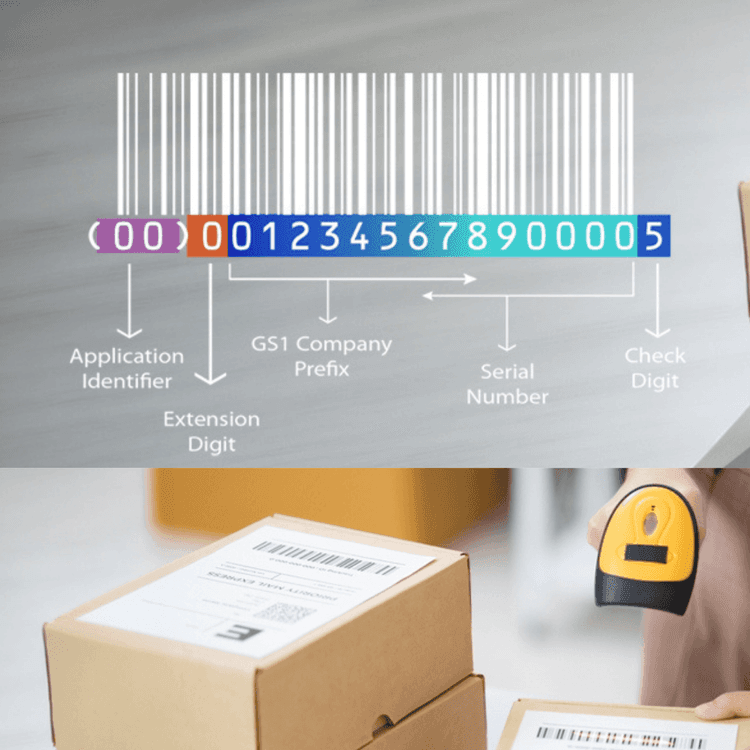
A barcode number is a series of digits below the barcode that uniquely identifies a product, linking it to detailed information in a database.
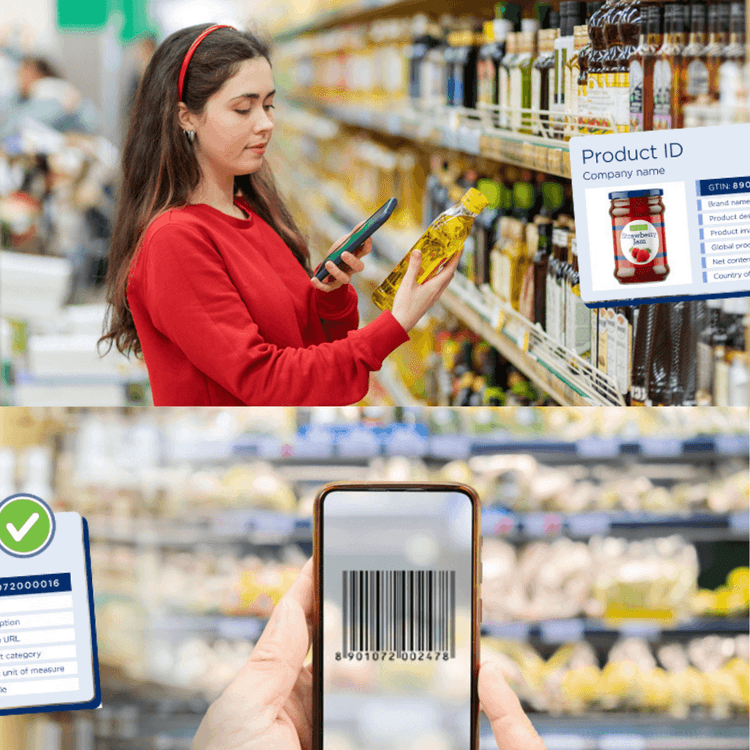
Yes, Google Lens and some Google apps can scan 2D barcodes like QR codes using your smartphone’s camera, allowing you to quickly retrieve product information.
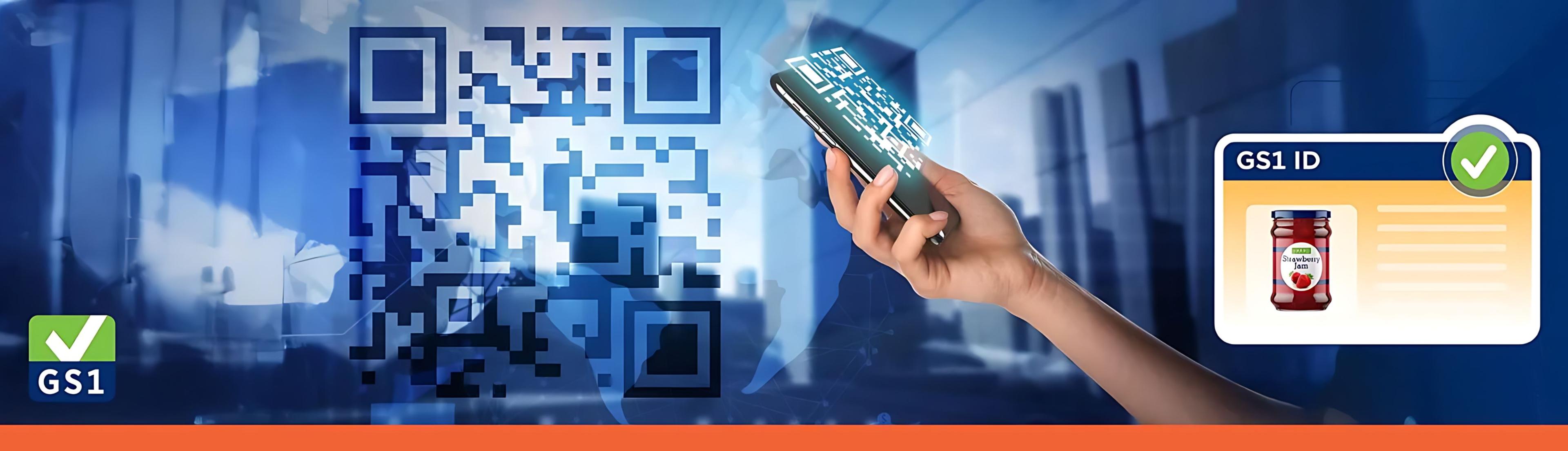
To verify or check a barcode online, Use Smart Consumer app to verify 2D barcodes, or enter the barcode number on the application to validate the product information provided. You can also verify the authenticity of a barcode by entering the GTIN/EAN of the product on the GTIN validation portal of GS1 India.
You can check if a product is original by verifying its barcode online, inspecting the packaging for authenticity, and purchasing from authorised sellers.
A 12-number barcode is typically a UPC (Universal Product Code), commonly used in retail to uniquely identify and track products.
Your email address will not be published. Required fields are marked *