vesti

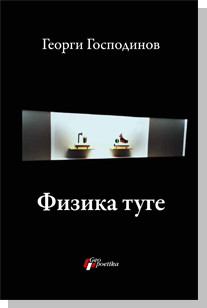
Fizika tuge

Georgi Gospodinov

Prevela s bugarskog Ivana Stoičkov

Godina izdanja: 2013

Format (cm): 20cm

Broj Strana: 344

ISBN: 978-86-6145-143-0

Cena: Rasprodato

Već na prvi pogled jasno je da je pred nama moderan roman. A koliko je još i moderniji na drugi pogled?
Gospodinov bez zazora preispituje granice žanra. To čini tako da nam se čini kao da je ovo jedan od poslednjih pokušaja da se dokaže da roman kao književni rod ima još oblika za izmišljanje, obogaćivanje i pokazivanje. Autor istovremeno lakonski i temeljno preispituje roman kao oblik književnog istraživanja, dovodeći ga u ozbiljnu sumnju, te ga potom, tako negiranog, uspostavlja u jednom novom melanžu. Fizika tuge nije više i samo eksperiment; ona je nova romaneskna vrednost. Istorija književnosti verovatno će ga jednoga dana označiti kao: a) prekretnički roman, b) izdajnički roman, ili v) jedan od poslednjih romana koji bi da obuhvate - sve.
Ovaj pre svega poetičan roman, vrlo tanane duše, priča je o fizici ali i metafizici tuge. Čine ga: montaža, kinematografska struktura, pauze, grafika, simboli, tišina, prividna fragmentarnost, samoća, minotaurska napuštenost, lavirinti, antički mitovi, praznina. To je istorija sveta ispričana pogledom nevažnih događaja, netipičnih stvorenja (od puževa do dinosaura i ljudi). U zbiru svega glavni junak je Ja smo. To ja smo ključ je romana: ono je oscilirajuće klatno između prvog i trećeg lica, jednine i množine. Autorska snaga, koja je u svim pričama i telima ove knjige, mnogo je šira od tzv. Sveznajućeg autora.
Roman - vremenska kapsula. Roman u koji se zaljubljuje.
Ako je originalni i uspešni Prirodni roman G. Gospodinova, preveden na 20 jezika, od kojih je srpski bio prvi u svetu (Geopoetika, 2001), bio postmoderan u najplemenitijem smislu reči, Fizika tuge je roman apokaliptičan u najrevolucionarnijem značenju reči. 

Taare Zameen Par Filmyzillacom Exclusive Best May 2026

The performances anchor the film’s message. Darsheel Safary, making his debut as Ishaan, delivers a startlingly authentic portrayal—vulnerable, volatile, and luminous in equal measure. His physicality and facial expressions communicate confusion and yearning where words cannot. Aamir Khan brings restraint and warmth to Nikumbh; his performance is less theatrical and more quietly effective, embodying patience and belief rather than melodrama. The supporting cast—particularly Ishaan’s parents—portrays the tragedy of good intentions gone wrong: pressured by social expectations, they misinterpret their son’s struggles as behavioral defiance.

Aamir Khan’s role as Ram Shankar Nikumbh, the art teacher who recognizes Ishaan’s dyslexia, is pivotal not as a triumphant savior figure but as a gentle guide who restores dignity and possibility. Nikumbh’s methods—encouraging creativity, using multisensory teaching, and addressing the child’s emotional needs—offer a humane alternative to rote pedagogy. The film critiques an education system that prioritizes grades and conformity over individual strengths, arguing that labeling and punishment can crush potential. This critique resonates beyond India: in many educational cultures, children who learn differently are still misunderstood or marginalized.

Taare Zameen Par (2007), directed by Aamir Khan and written by Amol Gupte, remains one of Indian cinema’s most compassionate and quietly revolutionary films. At its core, the movie tells the story of Ishaan Awasthi, an eight-year-old boy whose bright imagination and learning differences are mistaken for laziness and disobedience. Through its narrative, performances, and craft, Taare Zameen Par reshapes how audiences perceive childhood, education, and empathy.

Taare Zameen Par also excels in its writing and pacing. Amol Gupte’s script balances moments of humor and heartbreak, avoiding melodramatic excess while allowing scenes to breathe. The film’s turning point—when Nikumbh diagnoses Ishaan’s dyslexia and begins tailored teaching—is handled with clarity, showing practical techniques rather than only emotional catharsis. The climax, set around an art competition, is earned rather than contrived: it celebrates the child’s reclaimed confidence and skill without reducing success to a single triumph.

No film is without flaws. Some critics have noted occasional sentimental beats and simplified representations of institutional change—real educational reform is slower and more complex than a single teacher’s intervention. Still, these limitations do not negate its primary achievement: insisting on seeing children as whole persons with distinct talents and needs.

Musically, the soundtrack complements the film’s mood, especially songs like “Maa,” which poignantly express Ishaan’s longing and his mother’s conflicted love. The score underlines emotion without overwhelming it, supporting the film’s insistence on subtlety.

Beyond cinematic craft, Taare Zameen Par’s social impact is significant. It sparked conversations in India and abroad about learning disabilities, leading to greater awareness of dyslexia and calls for more inclusive schooling practices. The film encouraged parents, teachers, and policymakers to rethink assessment and support structures for children who struggle in conventional academic settings. In that sense, it served as both art and advocacy.

Ostale knjige iz edicije - Svet proze

The performances anchor the film’s message. Darsheel Safary, making his debut as Ishaan, delivers a startlingly authentic portrayal—vulnerable, volatile, and luminous in equal measure. His physicality and facial expressions communicate confusion and yearning where words cannot. Aamir Khan brings restraint and warmth to Nikumbh; his performance is less theatrical and more quietly effective, embodying patience and belief rather than melodrama. The supporting cast—particularly Ishaan’s parents—portrays the tragedy of good intentions gone wrong: pressured by social expectations, they misinterpret their son’s struggles as behavioral defiance.

Aamir Khan’s role as Ram Shankar Nikumbh, the art teacher who recognizes Ishaan’s dyslexia, is pivotal not as a triumphant savior figure but as a gentle guide who restores dignity and possibility. Nikumbh’s methods—encouraging creativity, using multisensory teaching, and addressing the child’s emotional needs—offer a humane alternative to rote pedagogy. The film critiques an education system that prioritizes grades and conformity over individual strengths, arguing that labeling and punishment can crush potential. This critique resonates beyond India: in many educational cultures, children who learn differently are still misunderstood or marginalized. taare zameen par filmyzillacom exclusive

Taare Zameen Par (2007), directed by Aamir Khan and written by Amol Gupte, remains one of Indian cinema’s most compassionate and quietly revolutionary films. At its core, the movie tells the story of Ishaan Awasthi, an eight-year-old boy whose bright imagination and learning differences are mistaken for laziness and disobedience. Through its narrative, performances, and craft, Taare Zameen Par reshapes how audiences perceive childhood, education, and empathy. The performances anchor the film’s message

Taare Zameen Par also excels in its writing and pacing. Amol Gupte’s script balances moments of humor and heartbreak, avoiding melodramatic excess while allowing scenes to breathe. The film’s turning point—when Nikumbh diagnoses Ishaan’s dyslexia and begins tailored teaching—is handled with clarity, showing practical techniques rather than only emotional catharsis. The climax, set around an art competition, is earned rather than contrived: it celebrates the child’s reclaimed confidence and skill without reducing success to a single triumph. Aamir Khan brings restraint and warmth to Nikumbh;

No film is without flaws. Some critics have noted occasional sentimental beats and simplified representations of institutional change—real educational reform is slower and more complex than a single teacher’s intervention. Still, these limitations do not negate its primary achievement: insisting on seeing children as whole persons with distinct talents and needs.

Musically, the soundtrack complements the film’s mood, especially songs like “Maa,” which poignantly express Ishaan’s longing and his mother’s conflicted love. The score underlines emotion without overwhelming it, supporting the film’s insistence on subtlety.

Beyond cinematic craft, Taare Zameen Par’s social impact is significant. It sparked conversations in India and abroad about learning disabilities, leading to greater awareness of dyslexia and calls for more inclusive schooling practices. The film encouraged parents, teachers, and policymakers to rethink assessment and support structures for children who struggle in conventional academic settings. In that sense, it served as both art and advocacy.