



product description

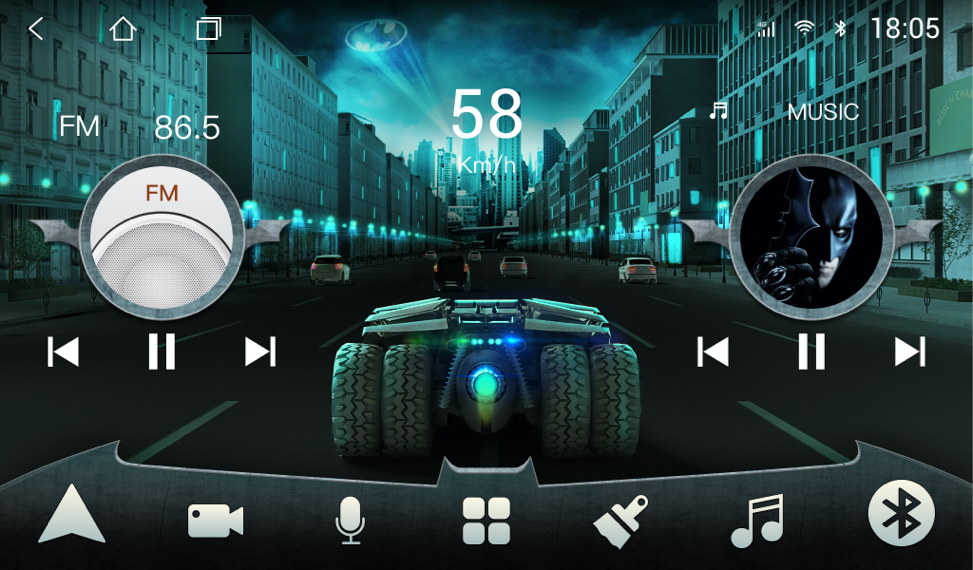
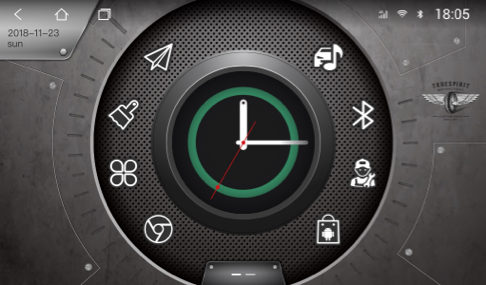
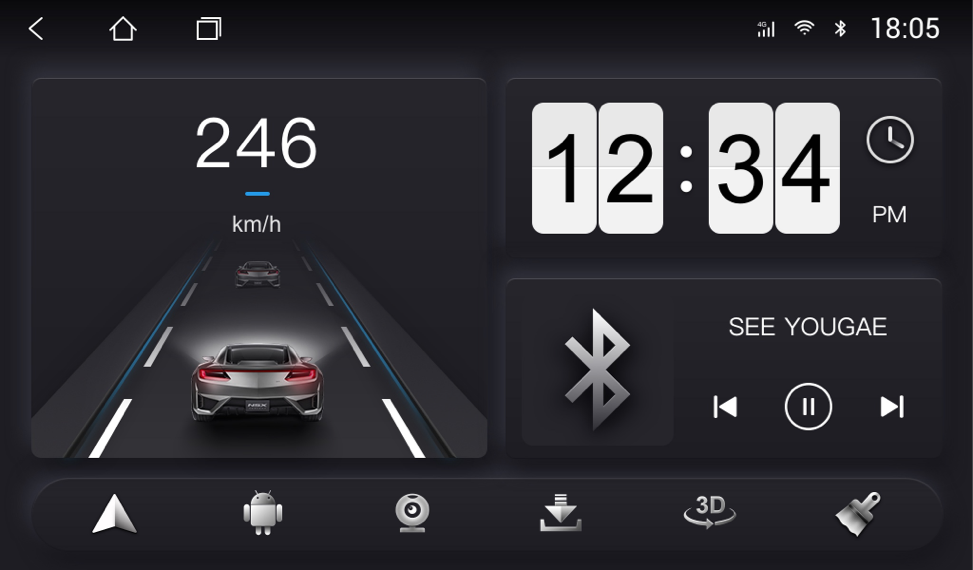
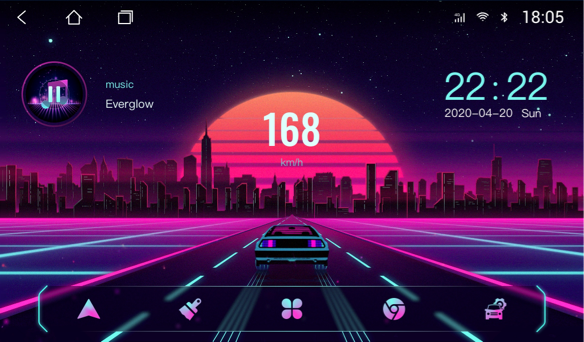
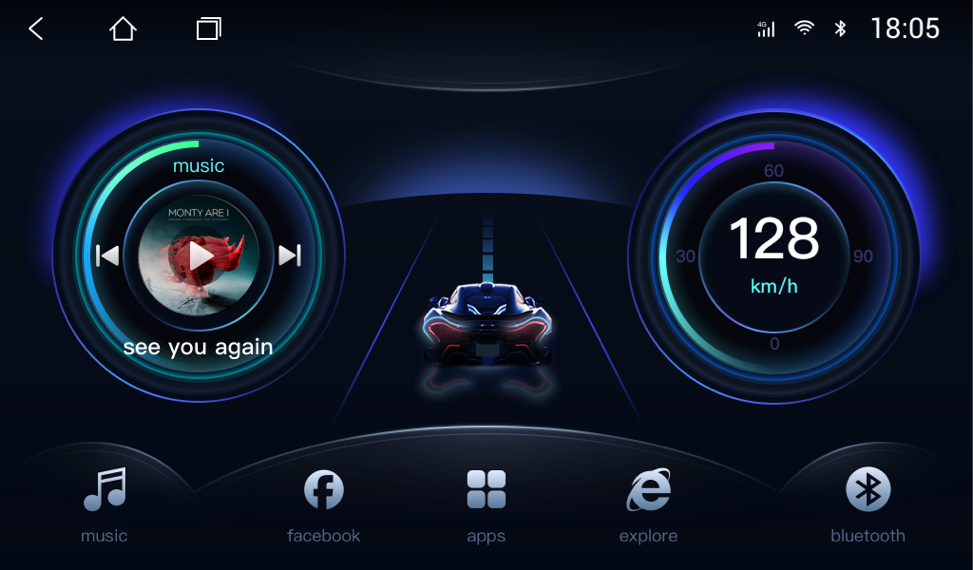
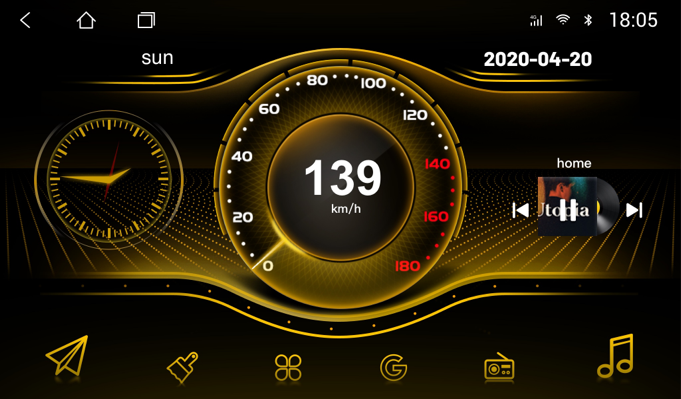
Not limited to a single theme framework, create 9 types of themes with different styles, there is always one that suits your taste!

Of course it's more than just looking good! When you drive on the road, you will find that the theme has rich dynamic effects, such as driving, instrumentation, ADAS, weather, etc., is it very interesting?

The shortcut icons on the desktop can be customized in style and function, and operate in the way you are used to!

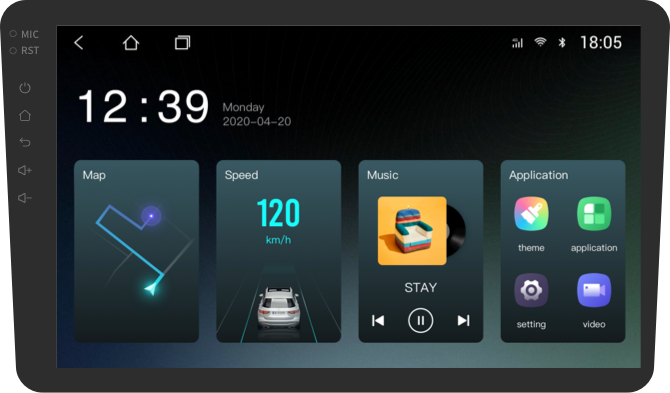
product description
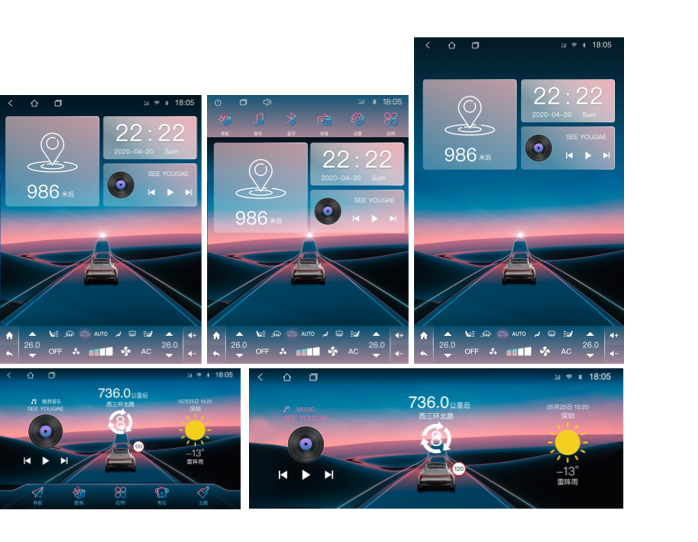
product description
Currently suitable resolutions are as follows:
Landscape contains: 1024x600、1024x768、1280x800、1280x480、2000x1200
Vertical screen includes: 768x1024、800x1280、1080x1920
If your car is different, it will use close resolution by default
Cars of Dingwei solution can use all the functions of the theme software, but some of the functions of cars of other solution providers are not available.

In addition to a single purchase, you can also


More than simple lampooning, the film asks a subtler question: what does authenticity mean when identity is a currency? In its best moments, Tropic Thunder implies that authenticity isn’t a single theatrical technique but an ethical stance—how one treats collaborators, how one responds to real danger, whether one’s art grows from curiosity or narcissism.
The cultural reverberations are mixed. For viewers willing to accept satire’s abrasiveness, the movie is a cathartic dismantling of Hollywood’s foibles. For others, the provocations expose blind spots—satire can wound as well as enlighten, especially when it borrows the language of the very offenses it mocks. index of tropic thunder
Tropic Thunder arrives like a cinematic prank: loud, messy, and surgically aimed at Hollywood’s vanity. It’s a film about actors making a war movie who believe they’re performing in a blockbuster—only to discover the real danger is their own inflated sense of self. That meta-concept is the movie’s strongest muscle: by turning the camera inward, it exposes the industry’s absurdities with brutality and affection in equal measure. More than simple lampooning, the film asks a
At its center is an ensemble committed to maximal caricature. Ben Stiller’s frustrated director-producer Thomas releases a soup of egos into the jungle; Jack Black’s rendering of the self-absorbed scene-stealer is both pathetic and painfully recognizable; Brandon T. Jackson offers the underappreciated comic heart as the one character who maintains clear-eyed humanity. Robert Downey Jr. gives the film its sharpest gamble—an actor who transforms (controversially) into another extreme persona in pursuit of “traction.” Downey’s performance is a study in risk: it skewers method-acting excess while forcing the audience to confront where satire ends and insensitivity begins. For viewers willing to accept satire’s abrasiveness, the
Technically, Tropic Thunder leans into contrast. The glossy preproduction world of trailers and red carpets is rendered in bright, sterile hues; the on-location jungle is muddy, chaotic, and kinetic. Editing and pacing ratchet between showbiz gloss and survivalist grit, supporting the film’s central conceit that performance is often a costume easily shed—or weaponized—when stakes turn real.
The film’s satire works because it never lets up on targets: studio marketing, awards-season posturing, method-acting mythology, the commodification of trauma. Tropic Thunder also mines the hollow rituals surrounding authenticity—how actors and audiences alike confuse intensity with truth. The jungle becomes a crucible where performative toughness is exposed as affectation, and the real survivors are those who keep their humanity intact amid chaos.
Tonally, the movie is a high-wire act. It balances slapstick and pointed barbs, often swinging past subtlety into gleeful grotesquerie. That excess is intentional; the amplification serves as a mirror to an industry that rewards spectacle over substance. Yet the film’s willingness to use provocative imagery and humor sometimes lands awkwardly—what’s meant as critique can be mistaken for complicity. That tension is telling: the satire is sharp because it is dangerously close to its subject.
Weekly update

Please contact us
In addition to these FAQs, if you have more questions, youcan join our community by Telegram: https://t.me/carmateapp