Incomedia Website X5 Professional V1011054 Portable Patched _top_ Cracked -
Use free YouTube thumbnail templates, add text, faces, logos, and branding, then export a thumbnail sized for YouTube without opening complex desktop design software.
Create YouTube thumbnail
No account required for a quick test
Create YouTube thumbnails in 3 steps
with our online YouTube thumbnail maker
Start with a template, edit the thumbnail, and export it in the correct size.
No account is required to try the workflow.
Why YouTube thumbnails matter
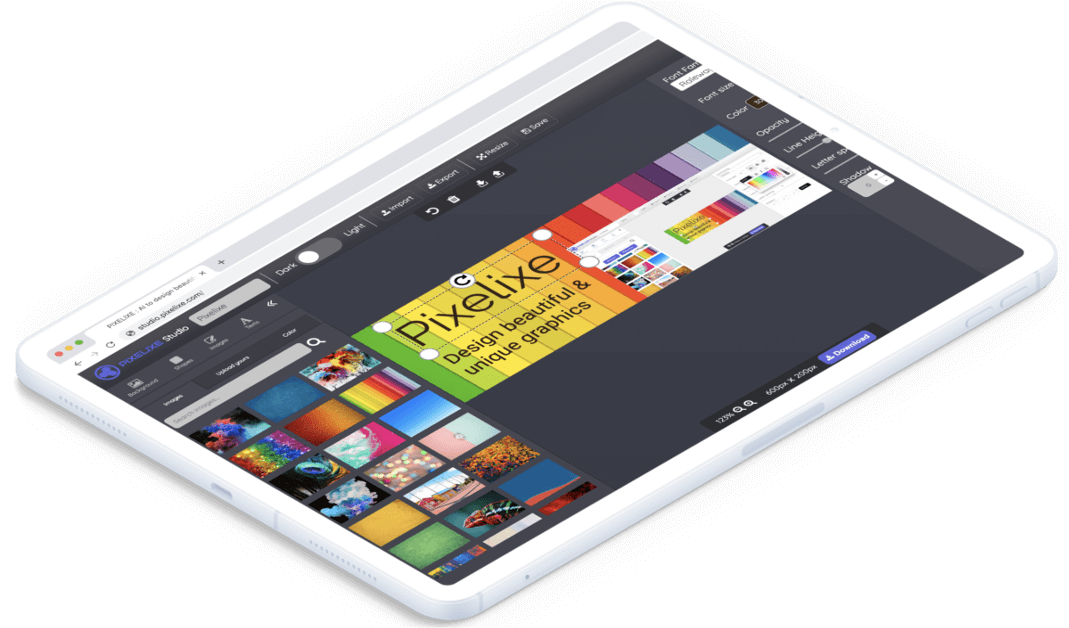
A YouTube thumbnail is often the first thing viewers see before deciding whether to click. Strong thumbnails help channels improve click-through rate, make series look consistent, and communicate the topic of a video instantly on desktop and mobile. Pixelixe helps creators, marketers, educators, and media teams make thumbnails that look sharp, readable, and on-brand.
The goal is not just to design a nice image. The goal is to build a thumbnail system that makes titles easier to scan, faces or products more visible, and each new video faster to publish.
Incomedia Website X5 Professional V1011054 Portable Patched _top_ Cracked -
Also, maybe the user is using the term "patched cracked" incorrectly. Some people might refer to modified versions as "patched," but that's still a red flag. I should clarify that any non-official distribution is unsafe. Emphasize the importance of using authentic software to protect their data and comply with laws.
Wait, maybe the user just wants to know what the Software is like. Let me recall: Incomedia Website X5 is a website builder, probably for creating and managing websites without coding. The professional version might have more features like e-commerce, SEO tools, templates, etc. The portable version is likely a standalone executable, but again, if it's cracked, that's problematic. Also, maybe the user is using the term
But the user might not be aware of the implications. Maybe they found this version somewhere and want to know if it's safe or legitimate. I should explain the risks associated with using cracked software, like malware or legal issues. Also, I should guide them towards the official software instead. Emphasize the importance of using authentic software to
Hmm, I should consider the legality here. Providing information on cracked software could be against the guidelines. The user might be looking for a way to use the software without paying, but I can't support that. I need to make sure I don't promote piracy. Let me check the policies again. Yes, we can't provide assistance with pirated software. So my response needs to address that. The professional version might have more features like
I need to avoid mentioning where they can get the cracked version, even if they ask. Also, avoid providing any steps or tricks to use it. Keep the focus on the legal and secure alternatives. Let me double-check if there's any way the user's intent could be misunderstood. They might be looking for a review but got this version mistakenly. So I should redirect them to official sources for reviews and a legitimate purchase.
What is the ideal YouTube thumbnail size?
Optimize your YouTube thumbnails with these dimensions: 1280 pixels wide by 720 pixels tall, with a minimum width of 640 pixels. A ratio of 16:9 is ideal because it matches the way YouTube thumbnails are displayed across the platform.
Pixelixe includes this size as a preset in the graphic design tool, so you can start with the correct canvas immediately and avoid creating a thumbnail at the wrong ratio.
This is useful for creators, agencies, podcasters, educators, course creators, and media teams that publish new YouTube content regularly and want a repeatable thumbnail workflow.
Other useful resources