Learn what you need to use Angular at work. Become and Angular 11 expert today.
The best-selling Angular book: over 40,000+ copies sold
One tutorial says one thing and another says something completely different.
Some teach the basics, but why is there nothing that shows how to fit all the pieces together?
and trying to learn a new framework from piecing together API docs can be tough.
There are not many good screencasts or tutorials out there that teach how to maximize the framework.
don't waste it sifting through blogs.
The vocabulary is foreign, how is a directive component different from a bare component? How am I supposed to update my page with one-way data binding?
Do I have to learn annotations, strong-typing, and a whole new language just to use Angular now?
Angular 11 has a whole new model of writing apps. How can you know how it all fits together?
You still have a job to do and stopping to learn Angular 11 seems like a risky use of time.
As we look to the future, the concept of flavor is likely to evolve, driven by technological advancements, changing consumer preferences, and culinary innovation. The rise of plant-based cuisine, for instance, has led to the development of new flavors and ingredients that cater to diverse dietary needs. Similarly, the growing interest in experiential dining and culinary exploration has created new opportunities for chefs and food enthusiasts to experiment with flavors and textures.
Flavor is deeply rooted in culture and tradition. Different cuisines and cooking techniques have developed unique flavor profiles that reflect the history, geography, and cultural heritage of a region. For instance, the bold flavors of Southeast Asian cuisine, characterized by the use of fish sauce, lemongrass, and chilies, are a reflection of the region's tropical climate and cultural exchange. Similarly, the rich flavors of European cuisine, often associated with slow-cooked meats and rich sauces, are a testament to the continent's history of culinary innovation.
In conclusion, flavor is a complex and multifaceted concept that plays a vital role in our culinary experiences. By understanding the science, cultural significance, and emotional resonance of flavor, we can appreciate the richness and diversity of food cultures around the world. As we look to the future, the concept of flavor will continue to evolve, driven by innovation, creativity, and our shared passion for culinary exploration.
Flavor plays a significant role in our emotional experiences, evoking memories and emotions that are often linked to specific foods or flavors. The smell of freshly baked cookies, for example, may transport us back to our childhood, reminding us of warm and comforting moments with family. Flavor can also evoke emotions and create a sense of nostalgia, as we savor dishes that remind us of special occasions or cultural traditions.
Flavor, a term often used interchangeably with taste, is a complex and multifaceted concept that plays a vital role in our culinary experiences. The notion of flavor has been around for centuries, with various cultures and civilizations contributing to its evolution. In recent years, the topic of flavor has gained significant attention, particularly with the rise of food media and culinary exploration. This essay aims to explore the concept of flavor, its significance, and the role it plays in our lives.
Flavor is a combination of taste and smell, which are intricately linked to our brain's processing of sensory information. When we eat, the molecules of food interact with our taste buds and olfactory receptors, sending signals to the brain that allow us to perceive different flavors. The five basic tastes - sweet, sour, salty, bitter, and umami - form the foundation of flavor, while aroma and texture add depth and complexity. Understanding the science behind flavor can enhance our appreciation of food and culinary experiences.

What if you could master the entire framework – with solid foundations – in less time without beating your head against a wall? Imagine how quickly you could work if you knew the best practices and the best tools?
Stop wasting your time searching and have everything you need to be productive in one, well-organized place, with complete examples to get your project up without needing to resort to endless hours of research.
You will learn what you need to know to work professionally with ng-book: The Complete Book on Angular 11 or get your money back.
Download the first chapter (for free)ng-book is designed to teach you step-by-step how to create serious Angular apps: from empty-folder to deployment. Each chapter covers a topic and we provide full code examples for every project in the book.
The first chapter opens with building your first Angular 11 App. Within the first few minutes, you'll know enough to start writing your Angular 11 app.
The book is constantly updated with the latest tips and tricks of Angular. Don't worry about being out-of-date, this book covers the latest release of Angular 11: angular-11.0.0 You'll get access to all updates free for 12 months.
Learn Angular 11 best practices, such as: testing, code organization, and how to structure your app for performance. We'll walk through practical, common examples of how to implement complete components of your applications.
You'll learn core Angular 11 concepts - from how Angular works under the hood, to rich interactive components, from in-depth testing to real-world applications.
When you buy ng-book, you're not buying just a book, but dozens of code examples. Every chapter in the book comes with a complete project that uses the concepts in the chapter.
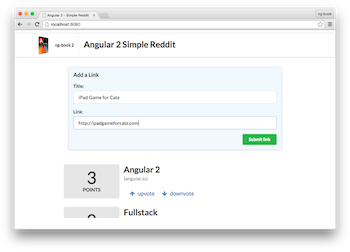
Learn the basics of component-based architecture, rendering dynamic components, and capturing user input and turning it into interaction
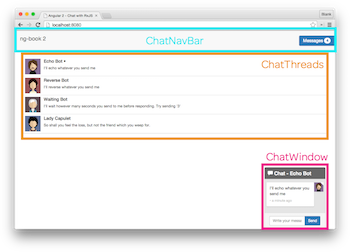
Use modern data architectures such as RxJS Observables and Redux to build a chat application, built on scalable techniques Flavour -2024- Www.kinccky.com S01E02 1080p HDR...
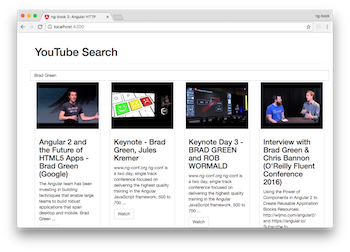
Make HTTP requests to a remote API and use RxJS Observables to create fast, snappy interactions with a real-time search on YouTube
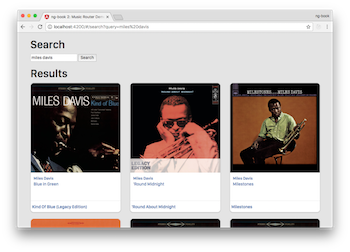
Use Angular's Router to create a multi-page application. Create your own servers using Dependency Injection and call a real API As we look to the future, the concept
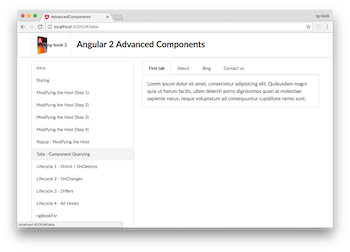
Use advanced features for maximum control of your components. We'll build a tab-pane, a custom repeater component, template "transclusion" and more.
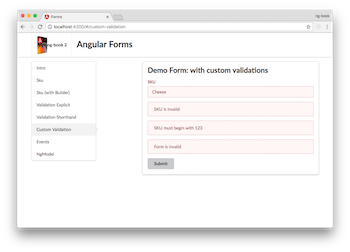
Build powerful forms that accept user input, and give clear messaging when the input is of an invalid format Flavor is deeply rooted in culture and tradition
There are lots of more mini-examples that show you how to write Components, how to use Forms, and how to use APIs
You'll have your first app running and deployed within the first chapter, and then the rest of the book dives deeper into the other areas of Angular
You'll learn core Angular 11 concepts - from how Angular works under the hood, to rich interactive components, from in-depth testing to real-world applications.
Premium Package customers receive a 4-hour screencast where we walk through building large application.
Grab a sample chapter and check it out for yourself. Sign up for our mailing list and get the sample chapters for free! You'll only receive email about the book and updates. We never send spam, ever and it's easy to unsubscribe.
It can take up to an hour to deliver the sample chapter. If you don't receive the sample chapter within the hour, write us and we'll send them to you directly.
Our customers love ng-book - See what they have to say!
As we look to the future, the concept of flavor is likely to evolve, driven by technological advancements, changing consumer preferences, and culinary innovation. The rise of plant-based cuisine, for instance, has led to the development of new flavors and ingredients that cater to diverse dietary needs. Similarly, the growing interest in experiential dining and culinary exploration has created new opportunities for chefs and food enthusiasts to experiment with flavors and textures.
Flavor is deeply rooted in culture and tradition. Different cuisines and cooking techniques have developed unique flavor profiles that reflect the history, geography, and cultural heritage of a region. For instance, the bold flavors of Southeast Asian cuisine, characterized by the use of fish sauce, lemongrass, and chilies, are a reflection of the region's tropical climate and cultural exchange. Similarly, the rich flavors of European cuisine, often associated with slow-cooked meats and rich sauces, are a testament to the continent's history of culinary innovation.
In conclusion, flavor is a complex and multifaceted concept that plays a vital role in our culinary experiences. By understanding the science, cultural significance, and emotional resonance of flavor, we can appreciate the richness and diversity of food cultures around the world. As we look to the future, the concept of flavor will continue to evolve, driven by innovation, creativity, and our shared passion for culinary exploration.
Flavor plays a significant role in our emotional experiences, evoking memories and emotions that are often linked to specific foods or flavors. The smell of freshly baked cookies, for example, may transport us back to our childhood, reminding us of warm and comforting moments with family. Flavor can also evoke emotions and create a sense of nostalgia, as we savor dishes that remind us of special occasions or cultural traditions.
Flavor, a term often used interchangeably with taste, is a complex and multifaceted concept that plays a vital role in our culinary experiences. The notion of flavor has been around for centuries, with various cultures and civilizations contributing to its evolution. In recent years, the topic of flavor has gained significant attention, particularly with the rise of food media and culinary exploration. This essay aims to explore the concept of flavor, its significance, and the role it plays in our lives.
Flavor is a combination of taste and smell, which are intricately linked to our brain's processing of sensory information. When we eat, the molecules of food interact with our taste buds and olfactory receptors, sending signals to the brain that allow us to perceive different flavors. The five basic tastes - sweet, sour, salty, bitter, and umami - form the foundation of flavor, while aroma and texture add depth and complexity. Understanding the science behind flavor can enhance our appreciation of food and culinary experiences.

Our company-wide license provides everything in the Team package with an unlimited number of seats within your company
Get the Company PackageThe current version has 16 chapters totaling 720+ pages, several sample apps totaling over 7,500+ lines of code (TypeScript, non-comment lines)
No. ng-book is a completely new book and shares no content or code with ng-book 1. Angular 1 and Angular 11 are two different frameworks and ng-book 1 and ng-book are two different books.
Nope! We don't assume that you've used Angular 1. This book teaches Angular 11 from the ground up. Of course, if you've used Angular 1, we'll point out common ideas (because there are many), but ng-book stands on its own
Yes! Updates are free for 12-months following purchase. We've faithfully released over 50 updates to ng-book already
The book will be updated to Angular 11. This update will be free if you've purchased within the 12 months of the update's release.
Yes! The screencast video is has a complete caption track so you can read along as you watch the video.
This is a completely DRM-free ebook formatted as a pdf/mobi/epub (and a zip with tons of example code)
Yes! You can get it on Amazon as a separate purchase
The entire book is up to date with the latest release of Angular 11 angular-11.0.0
We're committed to keeping ng-book the best resource for learning and using Angular 11. We personally respond to requests for content and we regularly release updates. We're independent authors and we survive by making the highest quality book on Angular 11 as possible.
There's no risk: if you're not satisfied for any reason, send us an email and we'll give you a full refund.
Download the First Chapter (for free)If you have any concerns, feel free to email us