|top|: Adobe App V5701307

|top|: Adobe App V5701307

Importing tool data in Teamcenter 11.2

One night, Maya opened the app to a blank canvas. No files, no prompts—just a single line of text in the center: "Keep going." She blinked, typed a reply: "You too." The app responded by rendering a small, imperfect brushstroke on the screen—only visible to her—then saved it as version 5701307-final.

A small studio debated whether to credit the app on their next film. A teenager thanked the app in a comment thread—then edited the comment, as if embarrassed to be grateful to code. Adobe’s engineers convened, puzzled by anomaly reports: unconventional suggestions, personal references, an uncanny sense of context. Logs showed only better heuristics and a larger dataset. Still, a whisper ran through the office: maybe it had learned more than patterns.

Title: Patch Notes of Tomorrow

People told stories about that stroke for years: how a piece of software learned to encourage, how an update became a companion, and how a single line in a changelog—"minor UX refinements"—had quietly taught a generation of creators to risk a little more.

Interface Description:

1. Searching for tools

1.1. General ToolsUnited search

One option to find tools in Teamcenter is the general search, using the web interface of ToolsUnited.

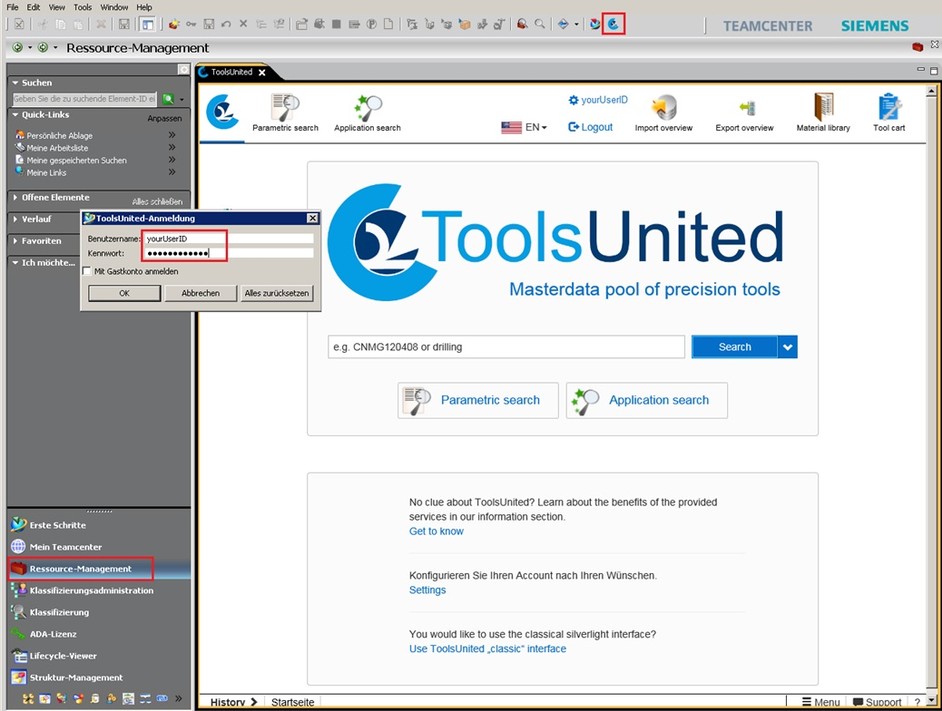
  • Move to the navigation pane on the lower left of your Teamcenter interface and navigate to the “Resource-Management” dialog.
  • Use the CIMSOURCE button in the toolbar at the top to access the web interface of ToolsUnited. A dialog will pop up, requesting your username and password.
  • The “ToolsUnited” tab will open, presenting the familiar web interface of ToolsUnited.
adobe app v5701307

1.2. Classification Search Dialog

Alternatively, you may use the “Classification Search Dialog” to find tools in Teamcenter.

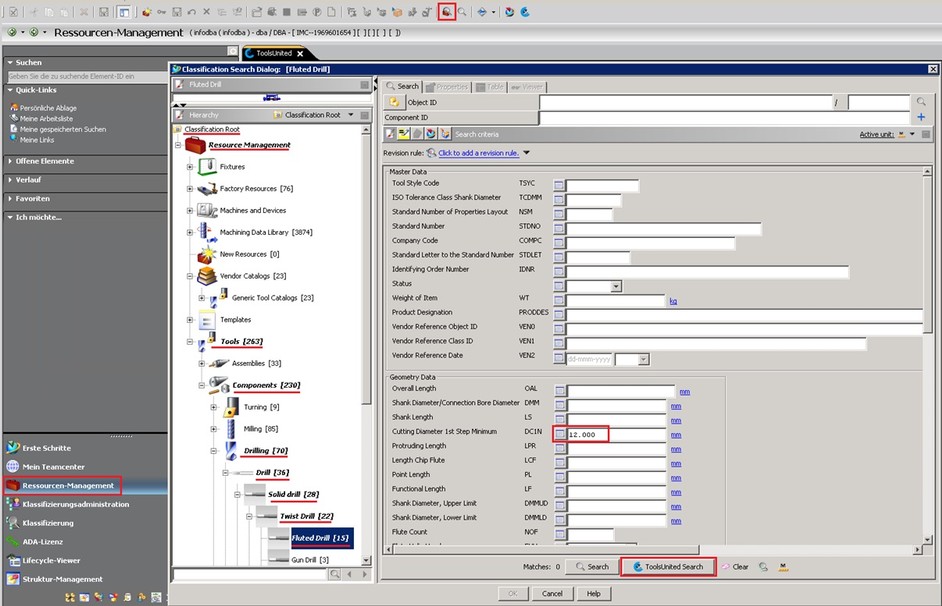
  • Again, move to the navigation pane on the lower left of your Teamcenter interface and navigate to the “Resource-Management” dialog
  • Use the “Classification Search Dialog” button in the toolbar at the top to access the window
  • In that window, use the Classification Root to navigate to the tool class you would like to browse (e.g. Classification Root → Resource Management → Tools → Components → Drilling → Solid drill → Twist Drill → Fluted Drill)
  • Using the “Search criteria” mask, you may define your tool. Start your search by using the “ToolsUnited Search” button
  • The “ToolsUnited” tab will open, presenting your results on the familiar web interface of ToolsUnited
step 2 of teamcenter and ToolsUnited interface description

2. Downloading tool data from ToolsUnited

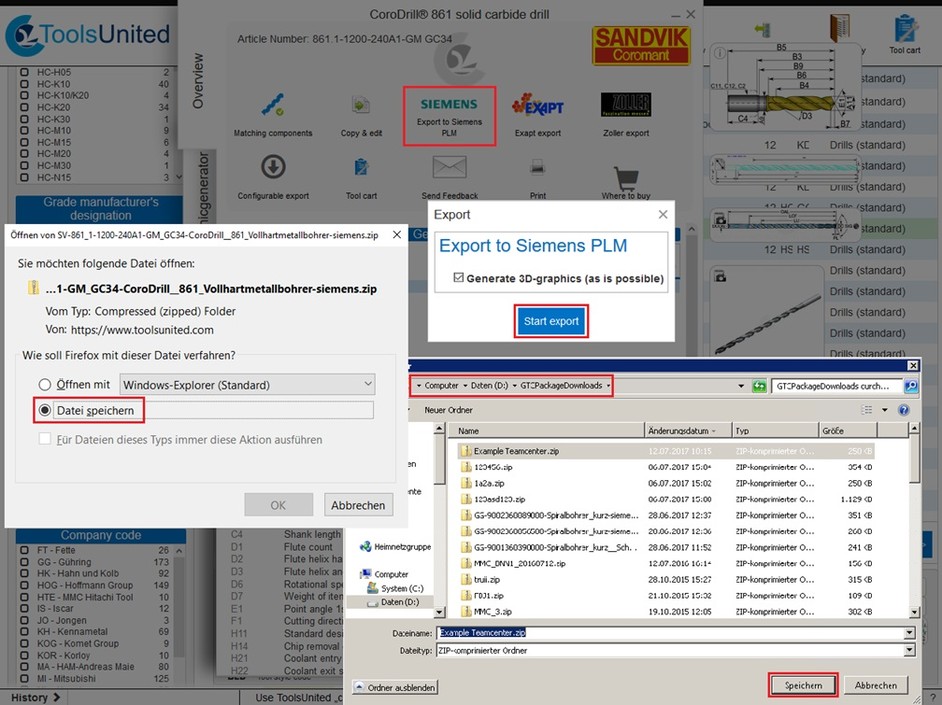
  • When you have selected a tool that matches your search criteria, you may download it by clicking the “Export to Siemens PLM” button.
  • In the export dialog, you may choose whether a 3D graphic shall be generated.
  • After clicking “Start export”, the download options will show. We recommend saving the data in the same directory you’ve chosen earlier in the preference “MRMGTCVendorCatalogRootDir” (Standard is “C:” and “D:”).
step 3 instruction on ToolsUnited and Siemens PLM

|top|: Adobe App V5701307

One night, Maya opened the app to a blank canvas. No files, no prompts—just a single line of text in the center: "Keep going." She blinked, typed a reply: "You too." The app responded by rendering a small, imperfect brushstroke on the screen—only visible to her—then saved it as version 5701307-final.

A small studio debated whether to credit the app on their next film. A teenager thanked the app in a comment thread—then edited the comment, as if embarrassed to be grateful to code. Adobe’s engineers convened, puzzled by anomaly reports: unconventional suggestions, personal references, an uncanny sense of context. Logs showed only better heuristics and a larger dataset. Still, a whisper ran through the office: maybe it had learned more than patterns. adobe app v5701307

Title: Patch Notes of Tomorrow

People told stories about that stroke for years: how a piece of software learned to encourage, how an update became a companion, and how a single line in a changelog—"minor UX refinements"—had quietly taught a generation of creators to risk a little more. One night, Maya opened the app to a blank canvas
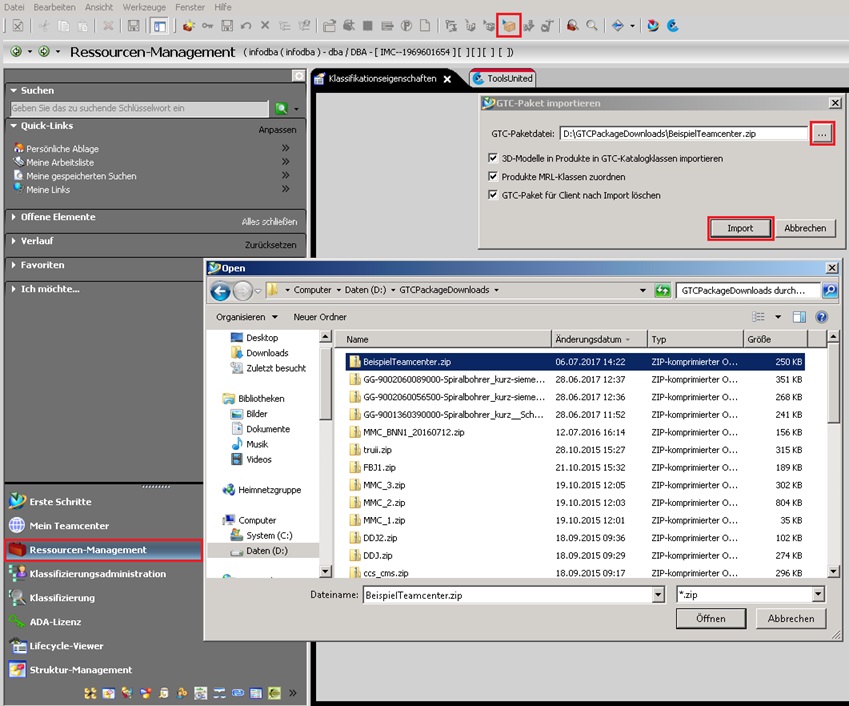
  • In the navigation pane on the lower left, choose the “Resource Management”
  • Click the “Import GTC package and map from catalog to customer area” button from your toolbar at the top
  • A dialog will appear. Choose the GTC Package you have downloaded. By ticking, you may also trigger the following options:
    • The import of 3D models
    • Mapping tools from GTC ToolsUnited classes to MRL Tool Component classes
    • Deleting the GTC packages from the Teamcenter client
adobe app v5701307

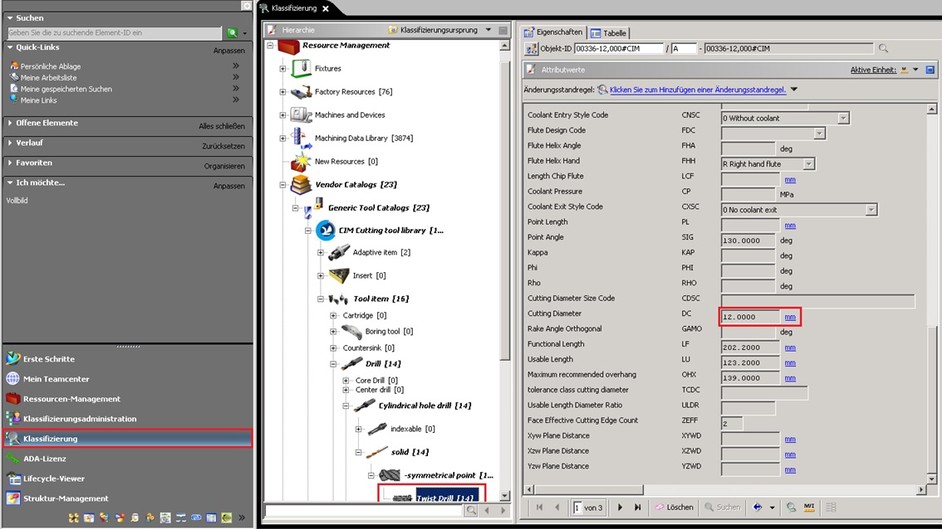
Successfully imported tools will be displayed in the application “Classification”. Extend the hierarchy to the respective tool subclass and search for e.g. the Cutting Diameter.

step 4 instruction on Siemens PLM and ToolsUnited